
تعد الملابس الواقية أمرًا ضروريًا في العديد من الصناعات لحماية العمال من البيئات الخطرة. وسواء كان العمل في المجال الطبي أو الصناعي أو الكيميائي، فإن قدرة الملابس الواقية على مقاومة الثقوب يمكن أن تُحدث فرقًا كبيرًا في مستوى السلامة. مقاومة الثقب في الملابس الواقية تعد سمة أداء حاسمة، لا سيما عندما يتعلق الأمر بمنع الإبر أو الأجسام الحادة أو المواد الكاشطة من اختراق النسيج. يستكشف هذا المقال أهمية اختبار مقاومة الثقب وكيف يمكن قياسها بدقة وفقًا لمعايير مثل ASTM F2878.
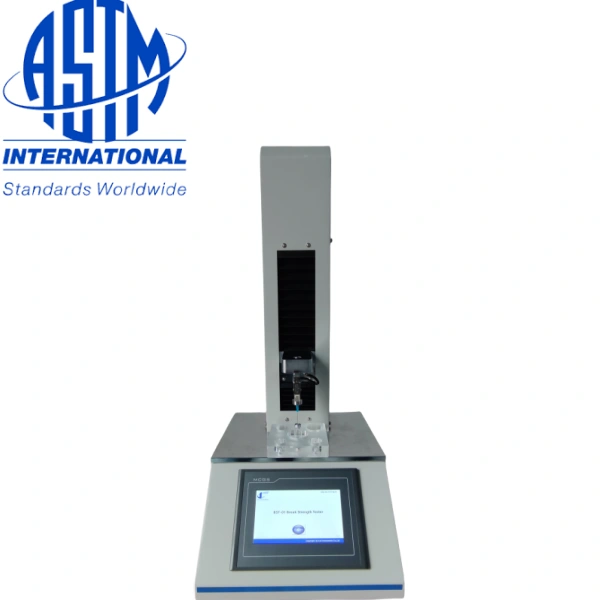
الاختبار القياسي ASTM F2878 لمقاومة ثقب الإبر تحت الجلد
ASTM F2878 هو المعيار الأساسي المستخدم لتحديد مقاومة الثقب لمواد الملابس الواقية، لا سيما ضد الإبر تحت الجلد. ويقيّم هذا الاختبار مدى مقاومة أنواع مختلفة من الأقمشة — بما في ذلك المنسوجات والمواد المرنة والمواد المطلية — للثقب بواسطة إبرة تحت الجلد في ظل ظروف خاضعة للرقابة.
يتضمن إعداد الاختبار وضع عينة القماش في مجموعة دعامة، حيث يتم ثقبها بإبرة تحت الجلد بسرعة ثابتة حتى تخترق الإبرة المادة. و خلية التحميل المرتبطة بجهاز اختبار المواد تقيس القوة القصوى المطلوبة لثقب القماش. إن مقاومة الثقب ثم يتم حسابها عن طريق حساب متوسط القوة المقاسة خلال اختبارات متعددة.
أهمية اختبار مقاومة الثقب للملابس الواقية
تعد مقاومة الثقب عاملاً حاسماً في تحديد الخصائص الوقائية للملابس المستخدمة في البيئات الخطرة. وبالنسبة للمواد مثل القفازات والمآزر والبدلات التي تغطي الجسم بالكامل، فإن مقاومة ثقب الإبرة تحت الجلد ويكتسب ذلك أهمية خاصة في قطاعات مثل الرعاية الصحية، والصناعات الدوائية، والمعالجة الكيميائية.
قد تؤدي الملابس الواقية التي لا تستوفي معايير مقاومة الثقب إلى وقوع حوادث وإصابات والتعرض لمواد ضارة. ASTM F2878 يضمن أن المواد المستخدمة في الملابس الواقية قادرة على مقاومة ثقبها بالأدوات الحادة، مما يوفر الحماية الضرورية للعمال.
اختبار ثقب الجلد بالإبرة: نظرة متعمقة
يتضمن اختبار الثقب بالإبر تحت الجلد استخدام إبر بأحجام محددة، بما في ذلك 21G و25G و28G، لمحاكاة سيناريوهات الثقب في الواقع. وعادةً ما تُصنع هذه الإبر من الفولاذ المقاوم للصدأ، وتشتهر بحدتها ودقتها. وأثناء الاختبار، تخترق الإبر المادة بزاوية 90 درجة، مما يحاكي نوع الثقب الذي قد يحدث في بيئة طبية أو صناعية.
لإجراء اختبار فعال، فإن حامل العينات يضمن تثبيت المادة بإحكام في مكانها لمنع انزلاقها أثناء الاختبار. وبمجرد اختراق الإبرة للمادة، يتم تسجيل القوة المطلوبة لتحقيق الاختراق الكامل. وتُعد هذه القوة مقياسًا دقيقًا لمقاومة المادة للثقب.
استخدام جهاز اختبار ثقب الإبرة NPT-01 للحصول على نتائج دقيقة
لتحقيق قياسات دقيقة لـ مقاومة الثقب للملابس الواقية, جهاز اختبار ثقب الإبرة ’Cell Instruments» NPT-01 تقدم حلاً موثوقًا وفعالاً. وقد صُممت آلة الاختبار المتطورة هذه لمحاكاة اختراق إبرة تحت الجلد للأقمشة الواقية، مما يوفر بيانات دقيقة عن أداء المواد.
يضمن جهاز اختبار مقاومة الثقب بالإبرة NPT-01 قياس مقاومة الثقب في ظروف خاضعة للرقابة، مع إعدادات قابلة للتعديل لنوع الإبرة وسرعة الاختراق وضغط الاختبار. ويتيح هذا الجهاز للمصنعين وفرق مراقبة الجودة التحقق من مقاومة الثقب لمختلف المواد والتأكد من استيفائها لمعايير السلامة قبل استخدامها في الملابس الواقية.
إجراءات اختبار مقاومة الثقب
إن إجراءات اختبار مقاومة الثقب يتبع الخطوات الأساسية التالية:
- تحضير العينة: تُقطع عينة القماش بعناية وتُثبَّت في وحدة الدعم.
- اختيار الإبرة: يتم اختيار إبر ذات مقاييس محددة (مثل 21G أو 25G أو 28G) لإجراء الاختبار.
- إعداد الاختبار: تُوضع الإبرة بشكل عمودي على القماش، وتُضبط آلة الاختبار على السرعة والضغط المطلوبين.
- اختبار الثقب: تُحرك الإبرة باتجاه القماش بسرعة ثابتة. ويتم تسجيل القوة المطلوبة لاختراق المادة.
- تحليل البيانات: يتم حساب متوسط القوة الناتج عن اختبارات متعددة لتحديد مقاومة المادة للثقب.
تطبيقات وأهمية مقاومة الثقب في الملابس الواقية
يجب أن تستوفي الملابس الواقية المستخدمة في المجالات الطبية والصناعية والعسكرية معايير صارمة فيما يتعلق بمقاومة الثقب. ومن بين المواد مثل قفازات اللاتكس, بدلات واقية من المواد الكيميائيةو أردية طبية يجب اختبار قدرتها على مقاومة الثقوب الناتجة عن الأجسام الحادة، بما في ذلك الإبر تحت الجلد والمواد الخطرة الأخرى.
من خلال اختبار مقاومة الثقب من المواد وفقًا لـ ASTM F2878, ، يمكن للشركات المصنعة أن تضمن أن منتجاتها توفر الحماية اللازمة للعمال في البيئات الخطرة. كما يلعب هذا الاختبار دورًا حاسمًا في ضمان الجودة و تطوير المنتجات, ، مع الحرص على استخدام المواد الأكثر موثوقية ومتانة فقط في صناعة الملابس الواقية.
الخاتمة
مقاومة الثقب في الملابس الواقية يُعد عاملاً حيوياً في ضمان سلامة ورفاهية العمال المعرضين لمخاطر محتملة. ومن خلال استخدام معايير مثل ASTM F2878, ، يمكن للمصنعين تقييم متانة المواد ومقاومتها لثقوب الإبر تحت الجلد والأدوات الحادة الأخرى. إن جهاز اختبار ثقب الإبرة NPT-01 من الأدوات الخلوية يوفر طريقة دقيقة وفعالة لإجراء هذه الاختبارات، مما يضمن توافق الملابس الواقية مع معايير السلامة المطلوبة.
بالنسبة للصناعات التي تُعد السلامة فيها أولوية قصوى، فإن الاستثمار في معدات اختبار موثوقة مثل جهاز اختبار ثقب الإبرة NPT-01 يضمن أن الملابس الواقية تعمل بأفضل أداء ممكن، مما يحمي العمال من الإصابات المحتملة والتلوث.
 AR
AR  EN
EN  BG
BG  CS
CS  DA
DA  DE
DE  EL
EL  ES
ES  ET
ET  FI
FI  FR
FR  HU
HU  ID
ID  IT
IT  JA
JA  KO
KO  LT
LT  LV
LV  NB
NB  NL
NL  PL
PL  PT
PT  RO
RO  RU
RU  SK
SK  SL
SL  SV
SV  TR
TR  UK
UK  HE
HE  TH
TH  VI
VI