
Testen van hechtnaalden is een cruciaal proces dat wordt gebruikt om de kwaliteit en prestaties van chirurgische naalden te beoordelen. Het belangrijkste doel is ervoor te zorgen dat naalden, of ze nu recht of gebogen zijn, tijdens een operatie effectief en met minimale weerstand door weefsel kunnen dringen. Deze test beoordeelt de weerstand van de naald tegen penetratie, die wordt beïnvloed door factoren zoals de scherpte, de coating en het algehele ontwerp. Voor fabrikanten en kwaliteitscontroleurs is het van cruciaal belang om deze tests uit te voeren om de veiligheid en efficiëntie van chirurgische instrumenten te waarborgen.
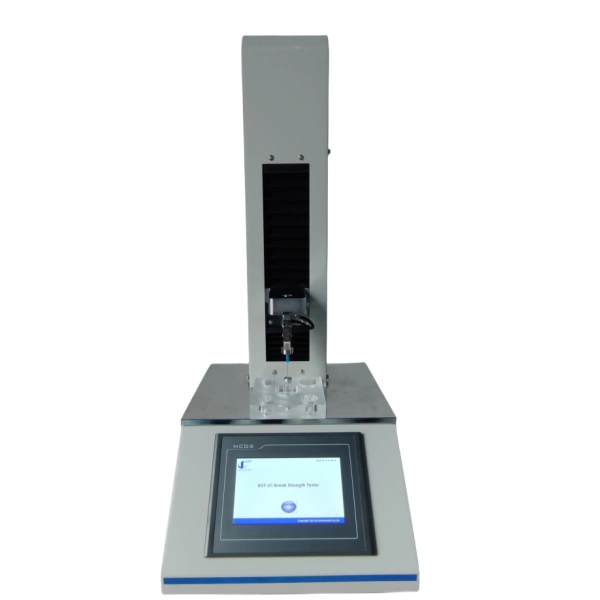
Testmethode voor naaldpenetratie: beoordeling van de prestaties van naalden
De naaldpenetratietest meet de kracht die nodig is om een naald door een bepaald materiaal te laten dringen, meestal een gesimuleerd biologisch medium. Deze test levert waardevolle gegevens op over het vermogen van de naald om door verschillende weefseltypes heen te dringen zonder onnodige schade of ongemak voor patiënten te veroorzaken. Tijdens de test wordt een naald in een houder geklemd en met een gecontroleerde snelheid door een testmedium geduwd, terwijl de gegevens over de kracht die nodig is om door te dringen continu worden geregistreerd.
Deze methode is met name van belang bij de ontwikkeling en het testen van injectienaalden, die soepel door de menselijke huid moet gaan om pijn en letsel te beperken. Een betrouwbare naaldpenetratietester zorgt ervoor dat naalden voldoen aan de industrienormen, waardoor zowel fabrikanten als zorgverleners de zekerheid krijgen dat de producten veilig en doeltreffend zijn.
ASTM F3014: Norm voor het testen van hechtnaalden
De ASTM F3014 Deze norm beschrijft de procedures voor het testen van de penetratievermogen van chirurgische naalden, waaronder naalden die worden gebruikt voor hechtingen. De norm beschrijft de methode voor het bepalen van de kracht die nodig is om naalden door een medium te laten dringen, evenals de wijze waarop de vorm, scherpte en coating van de naald moeten worden beoordeeld. Deze factoren hebben een directe invloed op het vermogen van de naald om weefsels efficiënt te doorboren.
Belangrijke aspecten van ASTM F3014 omvatten:
- Soorten naalden: De test is van toepassing op zowel rechte als gebogen naalden, evenals op chirurgische naalden met een samengestelde kromming, die meerdere krommingsstralen hebben.
- Testprocedure: De naalden worden op een bepaalde plek vastgeklemd en onder een hoek van 90° door een materiaal (meestal synthetisch weefsel of soortgelijke materialen) gestoken om het gebruik in de praktijk na te bootsen.
- Krachtmeting: De kracht die nodig is om het medium te doorboren, wordt gemeten en gebruikt om de prestaties van de naald te bepalen.
- Naaldvorm en coating: Bij de test wordt ook gekeken naar het ontwerp van de naald, waaronder de scherpte, het materiaal en eventuele coatings die de prestaties ervan kunnen beïnvloeden.
Door deze gestandaardiseerde testmethode te volgen, kunnen fabrikanten ervoor zorgen dat hun naalden voldoen aan de vereiste specificaties op het gebied van veiligheid en doeltreffendheid.
Testen van injectienaalden: zorgen voor een soepele penetratie
In testen met injectienaalden, ligt de nadruk op de soepelheid en het gemak waarmee de naald de huid binnendringt. Injectienaalden, die vaak worden gebruikt bij injecties en medische ingrepen, moeten zo zijn ontworpen dat het ongemak voor de patiënt tot een minimum wordt beperkt en tegelijkertijd een nauwkeurige toediening van medicijnen of vaccins wordt gewaarborgd.
Het testen van deze naalden omvat een penetratietest waarbij de naald in een synthetisch medium of dierlijk weefsel wordt ingebracht om de kracht te meten die nodig is om erdoorheen te dringen. Aan de hand van de resultaten kan worden vastgesteld of de naald scherp genoeg is en de juiste coating heeft om de weerstand en pijn tijdens medische ingrepen tot een minimum te beperken.
Factoren die de weerstand tegen naaldpenetratie beïnvloeden
Er zijn verschillende factoren die bijdragen aan de weerstand die een naald ondervindt tijdens de naaldpenetratietest:
- Naaldvorm: De vorm van de naald – bijvoorbeeld of deze recht of gebogen is – heeft een aanzienlijke invloed op de kracht die nodig is om ermee door te dringen. Bij gebogen naalden kan er in bepaalde richtingen meer kracht nodig zijn om ermee door te dringen.
- Naaldcoating: Een coating op een naald, zoals siliconen of andere smeermiddelen, kan de wrijving verminderen en het inbrengen vergemakkelijken. Bij naalden zonder geschikte coating is mogelijk meer kracht nodig, wat tijdens het gebruik tot ongemak kan leiden.
- Scherpte van de naald: Hoe scherper de naald, hoe minder weerstand deze ondervindt bij het inbrengen. Botte naalden vergroten het risico op letsel of beschadiging van het weefsel.
- Materiaal van de naald: Het materiaal waarvan de naald is gemaakt – meestal roestvrij staal – is ook van invloed op de sterkte, scherpte en duurzaamheid ervan.
Het belang van naaldpenetratietests bij de productie van medische hulpmiddelen
Voor fabrikanten, penetratietesten met naalden is essentieel om te voldoen aan de industrienormen en wettelijke voorschriften. Door middel van tests wordt gewaarborgd dat elke partij naalden consistent presteert en voldoet aan de kwaliteitsspecificaties op het gebied van scherpte, coating en materiaal. Voor zorgverleners zijn betrouwbare naalden van cruciaal belang om behandelingen en injecties toe te dienen met zo min mogelijk ongemak en zo veel mogelijk nauwkeurigheid.
Cel Instrumenten biedt uiterst nauwkeurige naaldpenetratietesters die voldoen aan ASTM F3014 en andere industrienormen. Onze testers leveren consistente, herhaalbare resultaten die fabrikanten helpen hun naaldontwerpen te optimaliseren voor betere prestaties en meer patiëntveiligheid.
Testen van hechtnaalden speelt een cruciale rol in het productieproces van medische hulpmiddelen en zorgt ervoor dat chirurgische en injectienaalden zijn scherp, duurzaam en efficiënt. Door gebruik te maken van methoden zoals de naaldpenetratietest en zich houdend aan ASTM F3014 Dankzij deze normen kunnen fabrikanten de kwaliteit en veiligheid van hun producten garanderen. Deze tests zijn van cruciaal belang om aan de wettelijke vereisten te voldoen en ervoor te zorgen dat zorgverleners beschikken over veilige en betrouwbare hulpmiddelen voor de patiëntenzorg.
Cel Instrumenten biedt geavanceerde naaldpenetratietesters die de gegevens leveren die nodig zijn om de prestaties van de naalden en de kwaliteitscontroleprocessen te optimaliseren. Onze instrumenten zijn ontworpen om nauwkeurige, reproduceerbare resultaten te leveren, zodat elke naald voldoet aan de hoogste kwaliteits- en veiligheidsnormen.
 NL
NL  EN
EN  AR
AR  BG
BG  CS
CS  DA
DA  DE
DE  EL
EL  ES
ES  ET
ET  FI
FI  FR
FR  HU
HU  ID
ID  IT
IT  JA
JA  KO
KO  LT
LT  LV
LV  NB
NB  PL
PL  PT
PT  RO
RO  RU
RU  SK
SK  SL
SL  SV
SV  TR
TR  UK
UK  HE
HE  TH
TH  VI
VI